Private case review
Case studies are reviewed in consultation.
Treatment examples are shared only when they are clinically relevant, consented, and useful for setting realistic expectations.
Individual results vary

Texture renewal
A clinically guided approach for smoother skin texture, refined tone, and renewal support.
Comprehensive texture renewal

Resurfacing at Royal Cosmetic Clinic uses a clinically guided combination of modalities — selected based on your specific skin assessment — to address surface texture, uneven tone, and the appearance of skin quality over time. The protocol is built around your skin rather than a one-size treatment, making it one of the most personalised options on the face menu.
Multi-modality approach combining appropriate techniques for your skin
Addresses surface texture, tone irregularity, and overall skin quality
Consultation-led — protocol is built around your skin assessment
Progressive results that continue to improve over a treatment course
Why Royal Cosmetic Clinic
Resurfacing is delivered with the same measured clinical standard applied across all Royal Cosmetic Clinic treatments — precise, planned, and focused on natural-looking outcomes.
Resurfacing protocols systematically remove damaged surface layers to reveal progressively smoother, more refined skin.
Multi-modality treatment addresses tone irregularities from multiple angles for a more consistent and balanced complexion.
Resurfacing stimulates the skin's natural regeneration cycle for sustained improvement in skin quality between and after sessions.
Suitability
A private consultation will confirm suitability. Resurfacing is commonly considered for:
Uneven or rough skin texture
Dull or tired-looking complexion
Sun damage and superficial tone irregularities
Those who want a customised rather than single-modality protocol
Skin that has not responded fully to simpler treatment approaches
Those committed to a full treatment course for best outcomes
Final suitability is confirmed during your private consultation. Your clinician will review your medical history, skin type, and treatment goals before any plan is agreed.
How it works
A comprehensive skin consultation determines which resurfacing modalities are most appropriate and how they will be sequenced for your skin.
Pre-treatment skin preparation — which may involve priming with specific products in the weeks before — optimises the resurfacing outcome.
The selected combination of techniques — which may include chemical, mechanical, or energy modalities — is applied in the planned sequence.
Post-treatment calming serums and barrier support products are applied to support the skin through the initial recovery phase.
A full aftercare plan and treatment course schedule are provided. Maintenance sessions are typically planned 4 to 8 weeks apart.
Recovery and results
Downtime and results depend on the modalities selected for your specific protocol.
Redness and sensitivity for 24–72 hours depending on protocol intensity
Some visible peeling or flaking in the first 5–7 days
Initial improvement in skin clarity and brightness within the first week
Full results develop progressively over a 4 to 6-session course
SPF 50 is essential daily throughout and after the treatment period
Result language
Clinical imagery is presented with honesty — consented, realistic, and without overpromising. Individual results vary and are discussed fully at consultation.
Private case review
Treatment examples are shared only when they are clinically relevant, consented, and useful for setting realistic expectations.
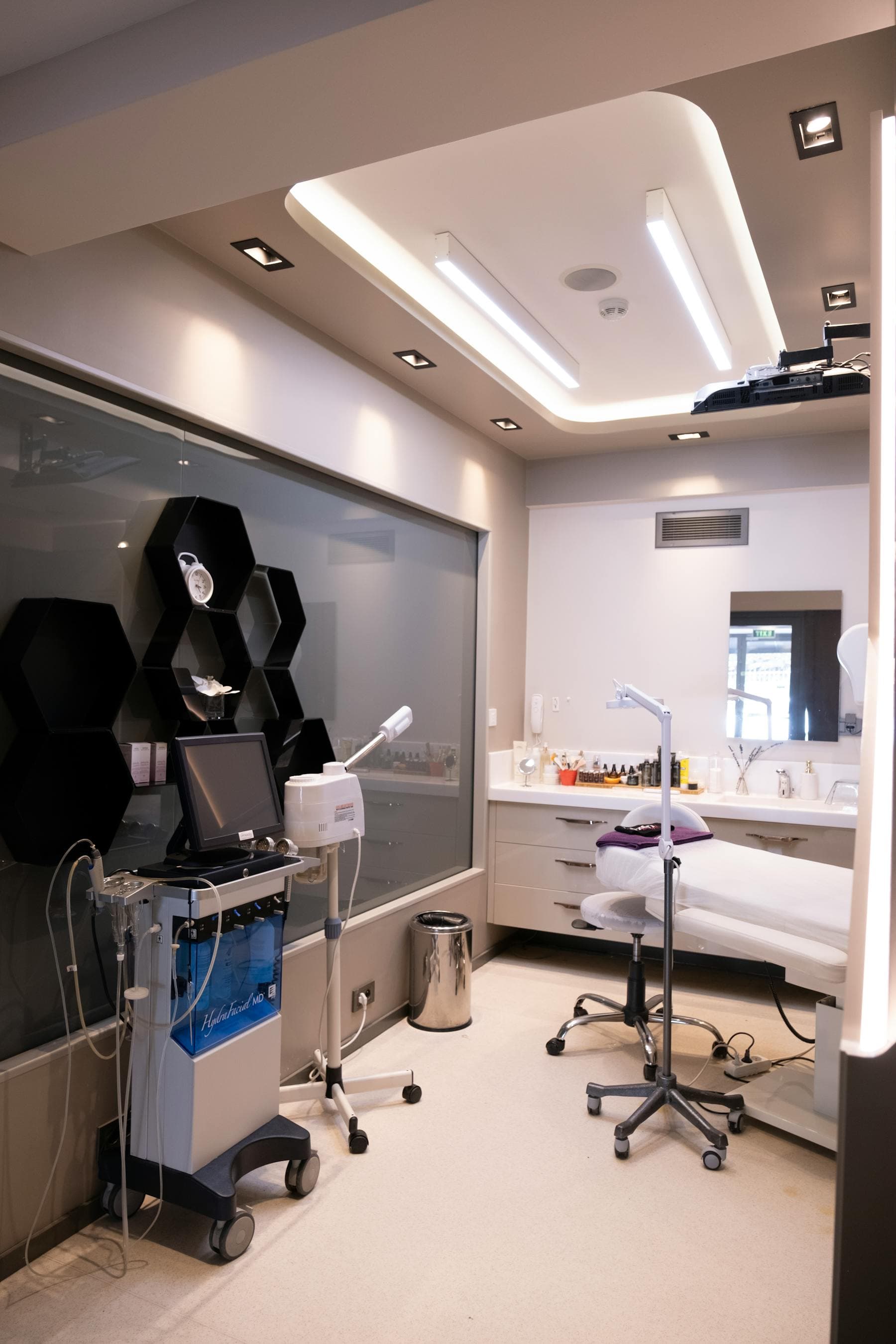
Practitioner trust
Royal Cosmetic Clinic brings together medical discipline, aesthetic restraint, and a restorative patient experience for people who value subtle, carefully planned results.
Resurfacing FAQs
These answers are intentionally general. Your consultation gives the clinic the detail needed to make the final recommendation for your skin.
Depending on your skin assessment, resurfacing at the clinic may include elements of chemical exfoliation, mechanical dermabrasion, microneedling, or energy-based technologies. The specific combination is determined at consultation and explained fully before treatment begins.
A course of 4 to 6 sessions spaced 4 to 8 weeks apart is typical for meaningful resurfacing outcomes. Single sessions produce visible improvement but sustained texture and tone change requires consistent treatment.
More intensive resurfacing protocols are generally best planned during autumn and winter months when UV exposure is lower. Less aggressive protocols can be performed year-round with consistent SPF use. Your clinician will advise on optimal timing.
Depending on the protocol selected, mild to moderate peeling or flaking in the first 5 to 7 days after treatment is common and expected. Your clinician will explain exactly what to expect based on your specific treatment plan.
Resurfacing can often be sequenced with complementary treatments to enhance overall outcomes. Your clinician will advise on appropriate treatment gaps and any protocols that should not be combined.
Begin your treatment plan
Speak with our clinical team about your skin goals and whether this treatment is the right fit for you. Every plan begins with a private consultation.
Explore more treatments

Calming protocols
A considered skin plan for congestion, blemish-prone skin, barrier support, and clarity.

Barrier comfort
A restorative facial for depleted skin, barrier comfort, and a supple hydrated finish.

Age-supportive care
Subtle rejuvenation planning for fine lines, skin quality, firmness, and long-term care.