How to Choose the Right Skin Rejuvenation Treatment
With multiple pathways available — peels, microneedling, resurfacing, hydration — choosing wisely means understanding your skin first. A guide to the consultation-led approach.
Dr. Sarah Royal
Medical Director
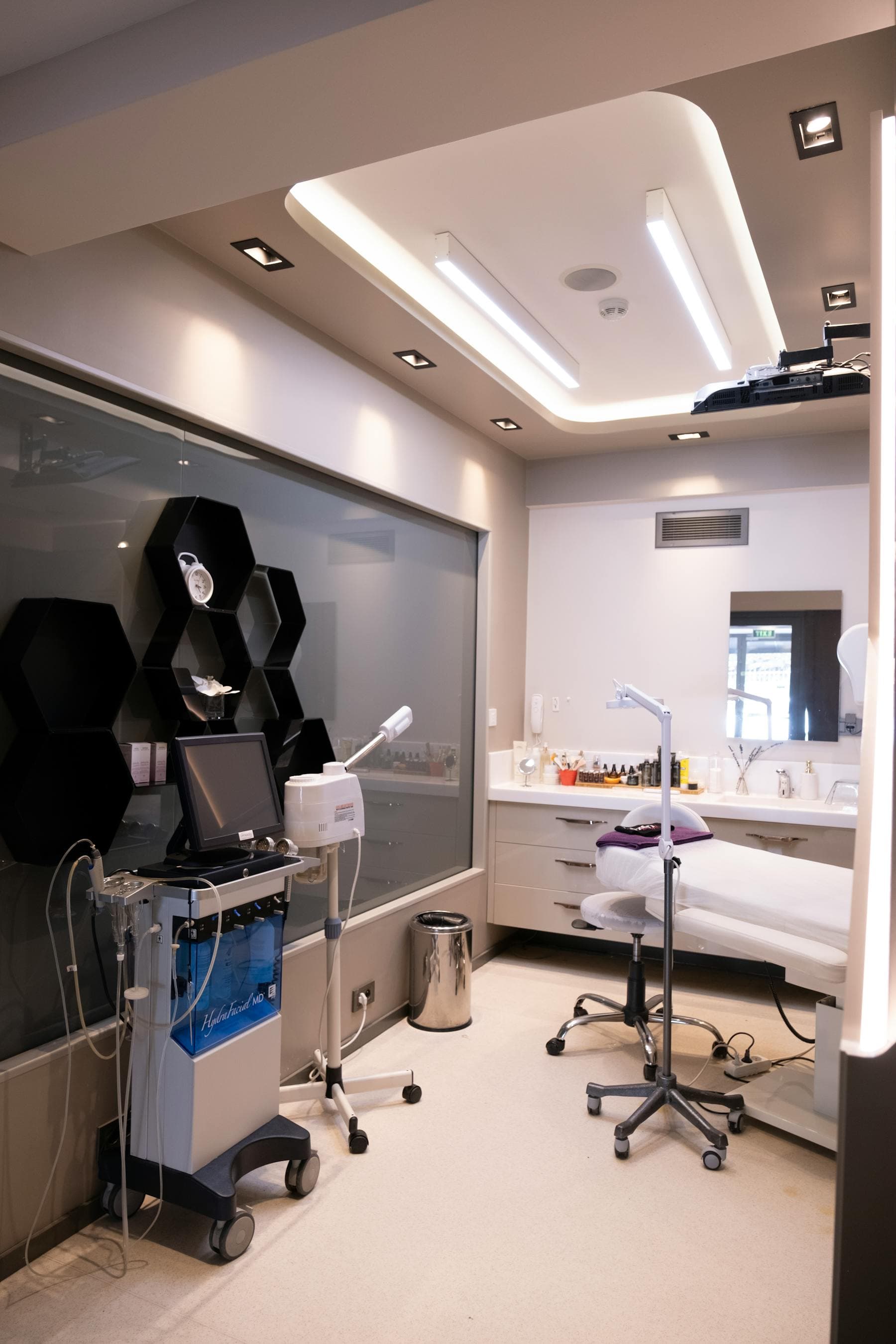
The range of skin rejuvenation treatments available at a clinical level is genuinely broad — and that is both an opportunity and a source of confusion. Understanding which approach will address your specific skin concerns requires more than matching a treatment name to a symptom. It requires a clear picture of your skin's current state, your goals, and your practical tolerance for downtime and maintenance.
Start with your skin goals, not the treatment name
The most common skin quality concerns that bring people to a clinical aesthetic setting are: uneven tone and pigmentation, texture irregularity, dullness or loss of radiance, fine lines, congestion or pore clarity, and loss of hydration or barrier resilience. Different treatments address different concerns with different mechanisms — and some concerns benefit from a combination approach rather than a single treatment.
Understanding the treatment categories
- Exfoliation and resurfacing: chemical peels, micro dermabrasion, and hydro dermabrasion — improve tone, clarity, and surface texture
- Collagen stimulation: microneedling and biological microneedling — improve skin density, texture, and reduce post-inflammatory marks over time
- Hydration and barrier support: deep hydrating facials, barrier-restoring treatments — ideal for depleted, sensitised, or reactive skin
- Tone and pigmentation correction: targeted pigmentation protocols — address uneven tone, sun-related marks, and post-inflammatory discolouration
- Firming and contour: plasma-based treatments, face contouring — address early laxity and facial structure concerns
A private consultation helps match the right treatment approach to your specific skin and goals.
Why the consultation comes before the treatment
A thorough consultation examines your skin in person — assessing hydration levels, barrier function, existing pigmentation, sensitivity, and response to previous treatments. This allows the clinician to identify not just your primary concern but also any contraindications, necessary preparation steps, and a realistic outcome timeline. It also ensures the treatment plan accounts for your lifestyle — how much downtime you can absorb, your budget, and whether a one-session result or a course approach is more appropriate.
The value of sequencing treatments
For clients with multiple skin concerns, a sequenced approach often yields better results than trying to address everything at once. A common strategy might start with a barrier-supporting treatment, then progress to targeted pigmentation work, then advance to collagen stimulation — building the skin's resilience before placing demands on it. Your clinician will outline the most logical sequence for your specific skin state.
Questions answered
Common questions.
A skin consultation typically lasts 30–45 minutes. The clinician will review your skin concerns, medical history, current skincare routine, and treatment goals. A visual and tactile skin assessment is performed, and a treatment plan is outlined with realistic outcome expectations and timelines.
Yes, in many cases. However, treatments should be sequenced thoughtfully rather than layered simultaneously. A clinician will plan the appropriate interval between treatments based on the skin's response and healing requirements.
Continue reading
More from The Royal Edit.
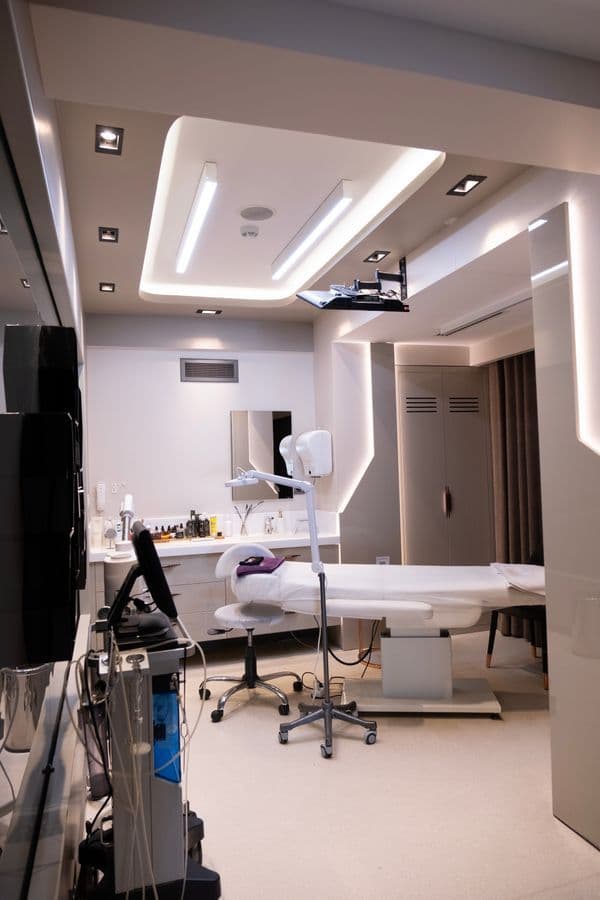
What to Know Before Your First Chemical Peel
Chemical peels can improve skin tone, clarity, and texture — but preparation and realistic expectations make all the difference. Here is what to understand before booking.
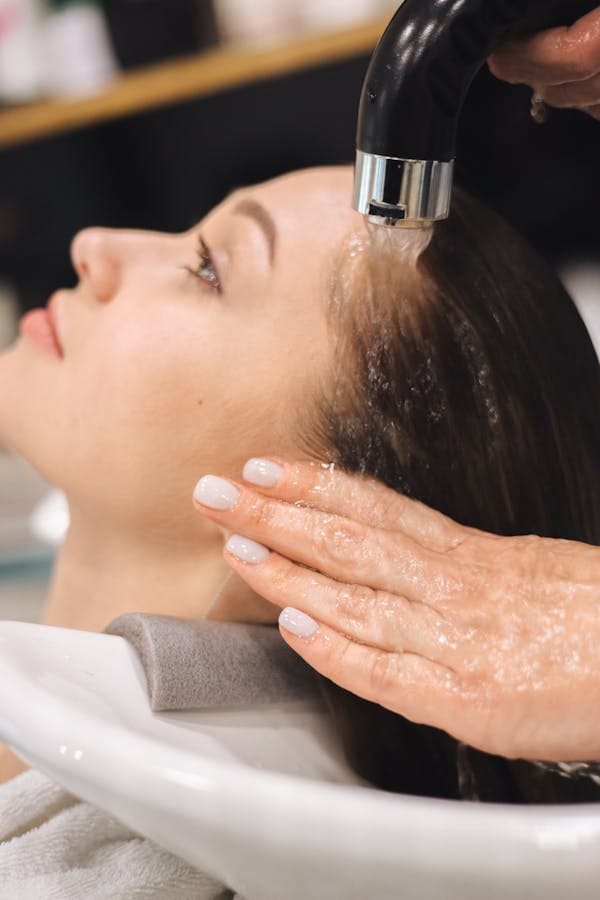
Acne Treatment Options at a Cosmetic Clinic
Consultation-led acne planning goes beyond generic over-the-counter routines. Here is how a clinic approach considers active breakouts, scarring, and long-term skin clarity.
Private consultation
Turn insight into action.
Every article points toward a treatment conversation. Book a private consultation to discuss your specific skin concerns and goals with a qualified clinician.