What to Know Before Your First Chemical Peel
Chemical peels can improve skin tone, clarity, and texture — but preparation and realistic expectations make all the difference. Here is what to understand before booking.
Dr. Sarah Royal
Medical Director
Chemical peels are one of the most versatile and established tools in clinical skincare. They range from very gentle brightening treatments to stronger resurfacing protocols — and the right choice depends entirely on your skin, your concerns, and your downtime tolerance. Before your first appointment, it helps to understand what a peel actually does, what to expect during and after, and what preparation is required.
What a chemical peel actually does
A chemical peel applies an acid solution to the skin to accelerate the natural cell turnover process. The outer skin layers shed more rapidly, which can address dullness, uneven tone, post-inflammatory marks, fine surface lines, and congestion. Peels vary in depth — superficial peels work at the surface level, medium peels penetrate deeper into the dermis, and deep peels are reserved for specific clinical indications and require significant recovery time.
Interested in a chemical peel consultation? We begin with a thorough skin assessment before recommending a peel strength.
Pre-treatment preparation
Preparation matters as much as the treatment itself. Most clinicians recommend stopping retinoids and active exfoliants (AHAs, BHAs) at least a week before a peel, and using a broad-spectrum SPF daily for several weeks beforehand if sun exposure has been a factor. Some stronger peels may require a priming protocol with specific topical agents in the weeks prior to optimise results and reduce risk.
- Discontinue retinoids and exfoliating acids 7–14 days before treatment
- Use SPF 30 or higher daily in the weeks leading up to the appointment
- Advise the clinic of any active skin conditions, breakouts, or recent treatments
- Avoid waxing or laser treatments in the area within two weeks
- Stay well hydrated and avoid prolonged sun exposure in the days before
What happens during the treatment
The skin is cleansed and prepared before the acid solution is applied evenly across the treatment area. Some peels produce a mild tingling or warmth sensation; others may create temporary more noticeable sensation depending on their strength. The solution is left for a specific duration and then neutralised or removed. The whole process typically takes 30–60 minutes.
Recovery and what to expect afterwards
Superficial peels may produce minimal visible peeling — skin may look slightly brighter and feel smoother with little outward sign of treatment. Medium peels typically produce visible shedding over 5–7 days. It is important not to pick or peel skin manually. SPF is non-negotiable post-peel. The final result — improved tone, clarity, and texture — becomes visible once the healing process is complete.
“A peel is not a single event. It is the beginning of a considered skin conversation between the clinician, the treatment, and the client's skin over time.”
Questions answered
Common questions.
This depends on the peel strength and your skin goals. Superficial peels can be performed every 4–6 weeks as part of a maintenance routine. Stronger peels require longer intervals. Your clinician will recommend an appropriate frequency based on your skin response.
Yes, but the peel selection is critical. Mild enzyme-based or very low-strength acid peels are often appropriate for sensitive skin types. A thorough consultation assesses your skin's barrier health and sensitivity before any peel is recommended.
With careful selection and clinical expertise, peels can be used safely on darker skin tones. However, certain peels carry a higher risk of post-inflammatory hyperpigmentation if not correctly chosen for the skin type. Your clinician will advise on the most appropriate approach and precautions during consultation.
Continue reading
More from The Royal Edit.
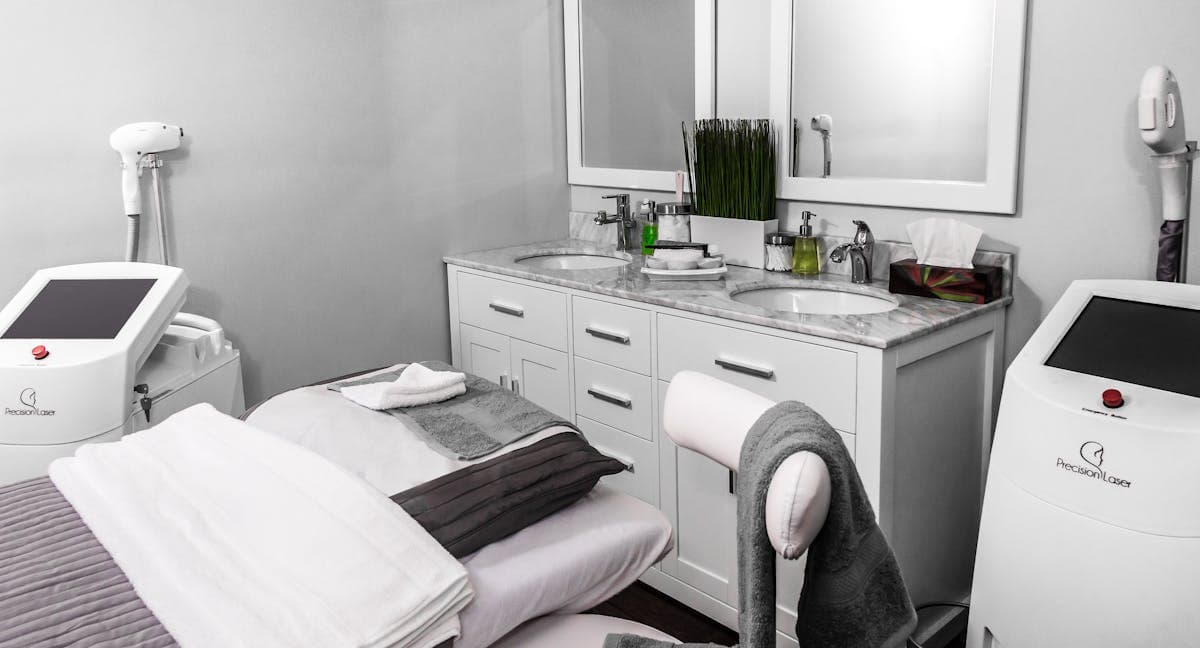
Microneedling vs Biological Microneedling: What Is the Difference?
Both treatments use controlled micro-channels to stimulate skin renewal. But the addition of bio-active compounds changes the depth and quality of the result. Here is what sets them apart.
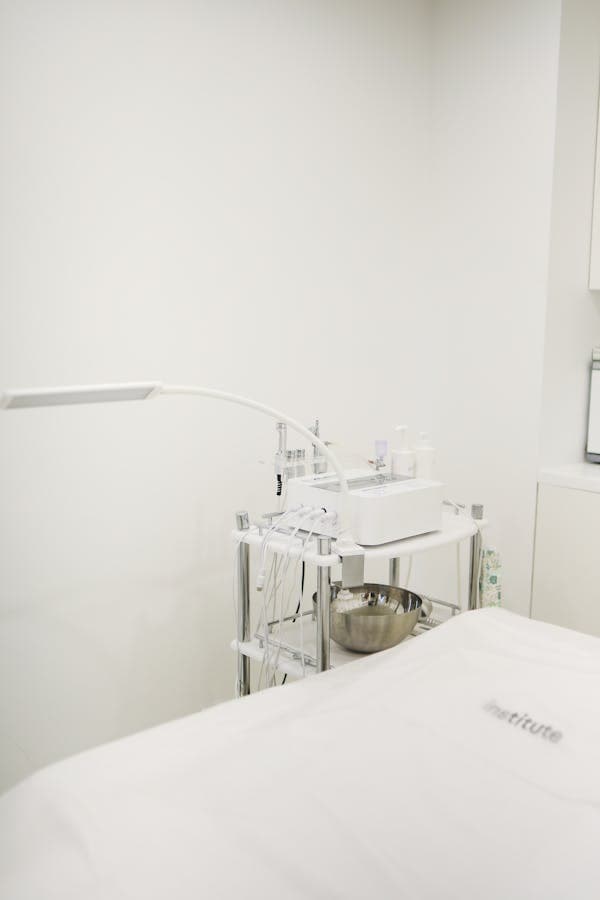
How to Choose the Right Skin Rejuvenation Treatment
With multiple pathways available — peels, microneedling, resurfacing, hydration — choosing wisely means understanding your skin first. A guide to the consultation-led approach.
Private consultation
Turn insight into action.
Every article points toward a treatment conversation. Book a private consultation to discuss your specific skin concerns and goals with a qualified clinician.