Private case review
Case studies are reviewed in consultation.
Treatment examples are shared only when they are clinically relevant, consented, and useful for setting realistic expectations.
Individual results vary

Tone correction
Measured pigmentation protocols for uneven tone, visible marks, and calmer-looking clarity.
Measured tone correction

Pigmentation removal treatments use targeted clinical protocols to break down excess melanin deposits and gradually restore a calmer, more even-looking skin tone. The appropriate protocol — whether chemical, energy-based, or combined — is selected based on pigmentation type, depth, and skin tone following a detailed consultation.
Protocol selection based on pigmentation type and skin tone assessment
Addresses sun damage, melasma, post-inflammatory marks, and age spots
Multiple sessions typically required for progressive, lasting improvement
Strict sun protection is essential throughout and after the treatment course
Why Royal Cosmetic Clinic
Pigmentation Removals is delivered with the same measured clinical standard applied across all Royal Cosmetic Clinic treatments — precise, planned, and focused on natural-looking outcomes.
Clinical protocols directly address excess melanin deposits, gradually fading visible pigmentation with consistent and measured treatment.
Progressive reduction in pigmented areas supports a clearer, more uniform skin tone across the face over a planned treatment course.
Reducing visible marks and discolouration creates a calmer baseline skin appearance without the need for corrective cosmetics.
Suitability
A private consultation will confirm suitability. This treatment is commonly considered for:
Sun damage and surface hyperpigmentation
Post-inflammatory marks from acne or injury
Age spots and uneven complexion areas
Mild melasma with professional management plan
Those committed to consistent sun protection throughout treatment
Clients who have received a formal assessment of pigmentation type
Final suitability is confirmed during your private consultation. Your clinician will review your medical history, skin type, and treatment goals before any plan is agreed.
How it works
A detailed assessment identifies the pigmentation type (epidermal, dermal, or mixed), depth, and cause to determine the most appropriate protocol.
Based on assessment, the clinician selects the most appropriate treatment modality — chemical, energy-based, or a combination approach.
Skin is cleansed and prepared. For chemical protocols, degreasing agents ensure even product penetration. Energy-based protocols may include a test patch.
The selected protocol is applied precisely to pigmented areas. Surrounding skin is protected to ensure targeted treatment only.
A recovery serum is applied and detailed sun protection instructions are provided. SPF 50 use is non-negotiable for the entire treatment course and beyond.
Recovery and results
Pigmentation treatment requires patience — results build progressively over a planned course.
Visible darkening of treated areas immediately after some protocols is expected
The darkened pigment sheds gradually over 7–14 days
Progressive lightening of target areas visible from 2–4 weeks post-treatment
Multiple sessions (typically 4–6) are required for significant and lasting improvement
Consistent SPF 50 is required daily throughout and after the treatment course
Result language
Clinical imagery is presented with honesty — consented, realistic, and without overpromising. Individual results vary and are discussed fully at consultation.
Private case review
Treatment examples are shared only when they are clinically relevant, consented, and useful for setting realistic expectations.
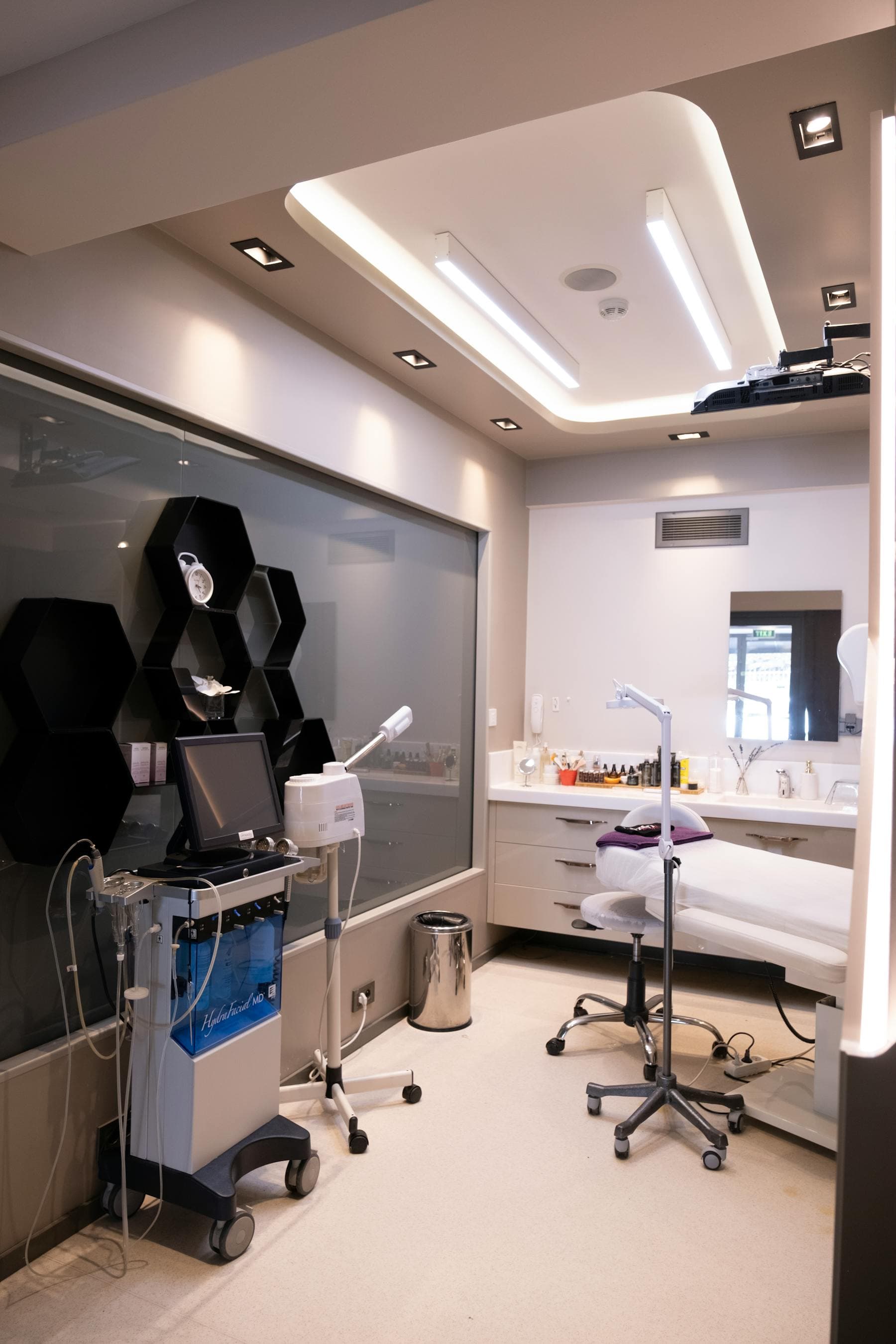
Practitioner trust
Royal Cosmetic Clinic brings together medical discipline, aesthetic restraint, and a restorative patient experience for people who value subtle, carefully planned results.
Pigmentation Removals FAQs
These answers are intentionally general. Your consultation gives the clinic the detail needed to make the final recommendation for your skin.
Most superficial epidermal pigmentation responds well to clinical treatment. Dermal pigmentation (deeper in the skin) requires more intensive and specialised protocols. Melasma, which is hormonally driven, is treatable but requires careful long-term management to prevent recurrence. Your clinician will identify your pigmentation type and advise on realistic outcomes.
Most pigmentation concerns require a course of 4 to 6 treatments spaced 3 to 4 weeks apart for meaningful and lasting improvement. Single sessions can produce visible lightening, but sustained improvement typically requires consistent treatment and sun protection.
Pigmentation can recur if the underlying cause — UV exposure, hormonal triggers, or inflammation — is not managed. Consistent daily SPF use, ongoing skin management, and avoiding trigger factors significantly reduce the risk of recurrence.
Pigmentation treatment on medium to darker skin tones requires specialist knowledge and careful protocol selection to avoid worsening hyperpigmentation. The clinic assesses all clients individually and uses only protocols appropriate for their Fitzpatrick classification.
A temporary darkening of the pigmented area is a common and expected response to many pigmentation protocols. This indicates the treatment is working to bring pigment to the surface for shedding. The darkening resolves within 7 to 14 days as the treated area sheds naturally.
Begin your treatment plan
Speak with our clinical team about your skin goals and whether this treatment is the right fit for you. Every plan begins with a private consultation.
Explore more treatments

Texture renewal
A clinically guided approach for smoother skin texture, refined tone, and renewal support.

Calming protocols
A considered skin plan for congestion, blemish-prone skin, barrier support, and clarity.

Barrier comfort
A restorative facial for depleted skin, barrier comfort, and a supple hydrated finish.